News

New Advances in Microplastic Detection:An Affordable Approach Using Transmitted…

Plastic pollution has become a global environmental crisis that has reached critical levels in recent years. The extensive use of plastic in various sectors such as food packaging, electronics and construction has resulted in an unprecedented amount of plastic waste being generated and dispersed into the environment. This plastic waste can now be found in the most remote regions of the world, including the oceans, where it poses a significant threat to marine life and ecosystems. The presence of plastic debris has the potential to permanently disrupt the natural balance of ecosystems, harming both humans and wildlife.

Identifying, quantifying and classifying microplastics is essential to addressing this critical and challenging problem. However, the detection of microplastics is a complex task due to their small size, low concentration, and the intricate nature of their physical and chemical properties.

Recent advances in analytical techniques such as Raman spectroscopy and Fourier transform infrared (FTIR) spectroscopy have shown promise in the detection and characterization of microplastics. Despite their effectiveness, the measurement time for these techniques can be relatively long, making them less suitable for high-throughput applications. In addition, the cost of equipment and maintenance, as well as the need for specialized training, are significant barriers to the widespread use of these methods.

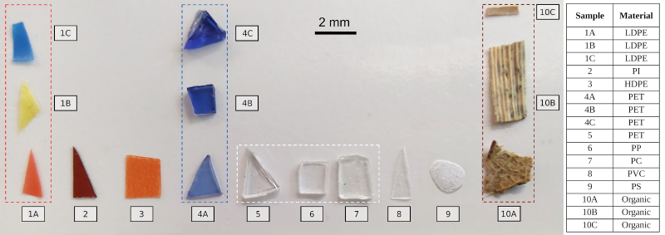
A recent scientific article, “Microplastic Identification in Marine Environments: A Low-Cost and Effective Approach Based on Transmitted Light Measurements” proposes a compact and affordable measurement system for the easy identification of microplastics in marine environments. This study, carried out by a research group from the University of Messina, uses transmitted light to identify microplastic debris, providing a simple and effective method for material characterization.

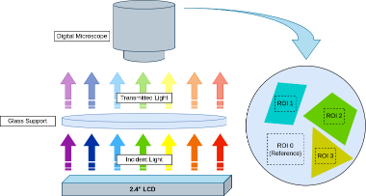
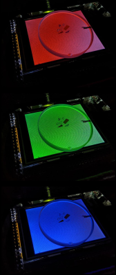
The proposed system consists of a single-board computer equipped with a programmable display and a digital microscope. The LCD serves as a programmable light source, while the digital microscope records and analyzes changes in the spectrum of light transmitted by the samples under test (SUT). These SUTs are placed on a clear glass slide in the optical path between the LCD and the detector (the digital microscope). The system estimates the amount of light transmitted through the samples and uses this information to identify and classify microplastics.

The results of this research have been published in Vol. 13 No. 2 (2024) of the Acta IMEKO journal. The full paper is available here

News

Effects of seismic isolation on the dynamic behaviour of…

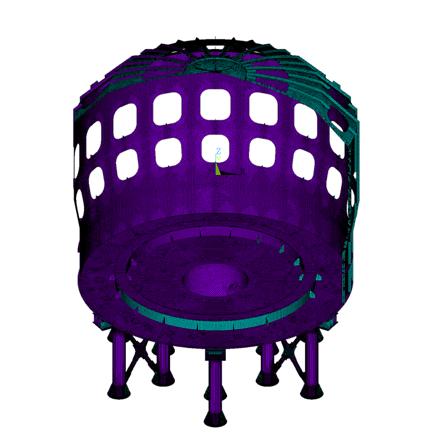
A new scientific paper [1] has been published by the UNITUS Nuclear Fusion Research team, concerning the Italian facility “Divertor Tokamak Test” (DTT) [2]. The aim of this work is to offer a different perspective on seismic isolation, prioritizing stress reduction over examining relative displacements between components. However, further exploration of this other crucial issue is postponed to a later stage. The paper provides a detailed description of the seismic isolation system’s modelling and methodology, along with an evaluation of two different locations for the isolators. The cryostat base consists of a horizontal plate to which the vacuum vessel is fixed. It also houses a reinforcing ring to which the magnets gravity supports are fixed. Beneath the plate are six radial beams, each one supported by two pillars anchored to the ground. A bracing system connects each pair of pillars. Two different seismic isolation solutions were analysed. The first one by placing the isolation plane at the base of the pillars (BISO) and the second one by placing it at the top of the pillars (TISO), below the radial beams. Considering the importance class IV and a peak acceleration between 0.15 g and 0.2 g the seismic hazard level assigned to this project is high. These considerations were the input for the calculation of the seismic local response. The horizontal and vertical spectra used in the analyses are that of the so-called “Collapse Limit State (SLC)”, the most severe case in terms of seismic action with a return period of 1950 years. The behaviour of the toroidal complex of the DTT fusion machine has been analysed in using both static and spectral analyses based on the most severe local seismic response spectrum of the Frascati site. Given the high stresses on the cryostat base under these conditions two seismic isolation were studied. Both systems showed significant benefits with respect to the non-isolated configuration, reducing the maximum stresses by an order of magnitude. Of the two isolated configurations, TISO is the one that guarantees lower stresses in the cryostat base, despite the difference is quite low. Taking into account the seismic isolation, a comparison was also made between the analytical results obtained using a simplified 1 “degree of freedom” (DOF) model and the numerical results in terms of horizontal displacements of the system. The numerical results did not differ significantly from the analytical results, up to a maximum value of 15% in the BISO configuration, making the 1 DOF model a valid option for first-attempt calculations. The paper highlights some preliminary results without identifying an integrated solution implementing real seismic isolators. Further design and analysis activities will be performed concerning the isolation devices, the control of undesirable movements, differential seismic ground motions, the control of displacements relative to surrounding ground and constructions.

Figure 1: FE model used for the analyses.
News

SPECKLE PATTERN ACQUISITION AND STATISTICAL PROCESSING FOR ANALYSIS OF…

Speckle pattern (SP) is the granular visual pattern that generates when highly coherent optical radiation is shined towards an object with a non-uniform structure (i.e., characterized by irregularities with dimension of the same order of magnitude of the wavelength). If captured by an imaging system, SP images appear as a disorder and chaotic sequence of bright spots and dark regions. However, their statistical properties are highly correlated with the structure of the object that acts as SP source. Traditionally, SP-based techniques have been mainly employed to measure the roughness of surfaces and to study thermal and mechanical properties of solid specimen. However, also fluid suspensions (such as animal and plant-based milks) do generate SP, since they are constituted by scattering elements that float in a surrounding liquid matrix. SP generated by a turbid liquid is particularly challenging to be analysed since suspended particles are subject to Brownian motion and the produced pattern is time-variant. Also, for this reason only very recently, few works (yet very preliminary) are appearing in the scientific literature on the use of SP imaging to investigate turbid liquids.

In this work, the LabEO team has developed a simple low-cost configuration based on a semiconductor laser and a PC-interfaced CMOS camera to acquire SP images generated by irradiating scattering fluids. Whereas, in general in other works, demonstration of the analytical technique has been carried out only on phantom suspensions prepared ad-hoc in the laboratory, samples tested in this work were obtained by water dilution of commercial rice milk that naturally contains lipid micelles acting as scattering particles. After acquisition, SP frames were elaborated to extract statistical parameters that can be correlated with the particulate content. Preliminary results show that the proposed technique allows to easily identify samples with different vegetable milk concentration.

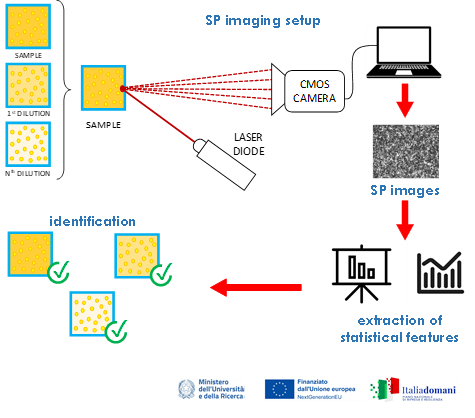
In more detail, the setup investigated at LabEO is low-cost and very simple to be operated: it comprises a semiconductor red laser diode (for SP excitation) and a monochrome CMOS camera (for acquisition of SP images). Light is emitted at the wavelength of 658 nm, with optical power of about 20 mW. The radiation is shined onto a plastic cuvette containing the sample at an angle of about 30° and the camera is placed in front of the sample, at a distance of about 16 cm, making the setup quite compact and suitable to realize a portable sensing system.

Experimental measurements were carried out on nine different suspensions obtained by dilution, with deionized water, of commercial rice milk containing 11 g/L of lipids and 130 g/L of carbohydrates. For every sample tested, 100 SP frames were acquired with the CMOS camera and then processed in MATLAB environment to extract statistical features. For each SP image, expressed as a gray-level matrix of pixels, the average gray-level intensity, the mode and the median were retrieved. It was found that the relationship of these three parameters versus concentration follows a linear behaviour for rice milk concentrations lower than 80% v/v, whereas it tends to saturate for higher concentrations. Such non-linear behaviour can be explained by considering the two counteracting effects. Indeed, when water is added to milk, the concentration of scattering elements decreases, inducing a decrease of the recorded average intensity. On the other hand, by adding water, the refractive index difference between the lipid vesicles (that is around 1.42–1.45 RIU) and the surrounding matrix increases, which would lead to a higher collected intensity. Hence, it was observed that the average gray-level intensity, the mode and the median can be efficiently used for sample distinction only for highly diluted milks.

To extract further information from SP images, the histograms of the gray level distribution were computed and the kurtosis and skewness were retrieved. It was observed that the shape and the characteristics of the histograms depends on the rice milk concentration: in particular, the values of skewness and kurtosis are monotonically increase functions of rice milk concentration. Hence, these two parameters can be used for identifying milk dilutions without ambiguity even when the quantity of added water is smaller than 20% v/v.

In conclusion, this work presents a cost-effective easy-to-use optical setup for identification of turbid samples by means of SP imaging. The presented results are very promising and suggest the possibility of extracting interesting statistical parameters from SP images. Among future perspectives, there is surely the need for investigating more complex statistics (such as gray level co-occurrence matrices and geometrical properties of SP grains) and the interest in applying artificial intelligence tools for the automatic recognition of samples. Since the proposed detection technique is contactless, remote, and label-free, a very interesting application will be the recognition of different types of milk and the identification of their adulteration.

More information on the researches carried out at the Laboratory of ElectroOptics can be found here

References

[1]   V. Bello, E. Bodo and S. Merlo, “Speckle Pattern Acquisition and Statistical Processing for Analysis of Turbid Liquids”, IEEE Transactions on Instrumentation and Measurement, Vol. 72, pp. 1-4, 2023, Art no. 7005004. DOI: 10.1109/TIM.2023.3289543

[2] W. Goodman, “Statistical properties of laser speckle patterns,” in Laser Speckle and Related Phenomena. Berlin, Germany: Springer, 1975, pp. 9–75

[2]  B. M. Oliver, “Sparkling spots and random diffraction,” Proceedings of IEEE, Vol. 51, no. 1, pp. 220–221, 1963

Figure 1: Schematic representation of the optical configuration for SP excitation and acquisition of SP images and of the workflow for extraction of statistical features for identification of rice milk samples.
News

PRELIMINARY THERMAL AND STRUCTURAL ANALYSES ON THE PARABOLIC MIRROR…

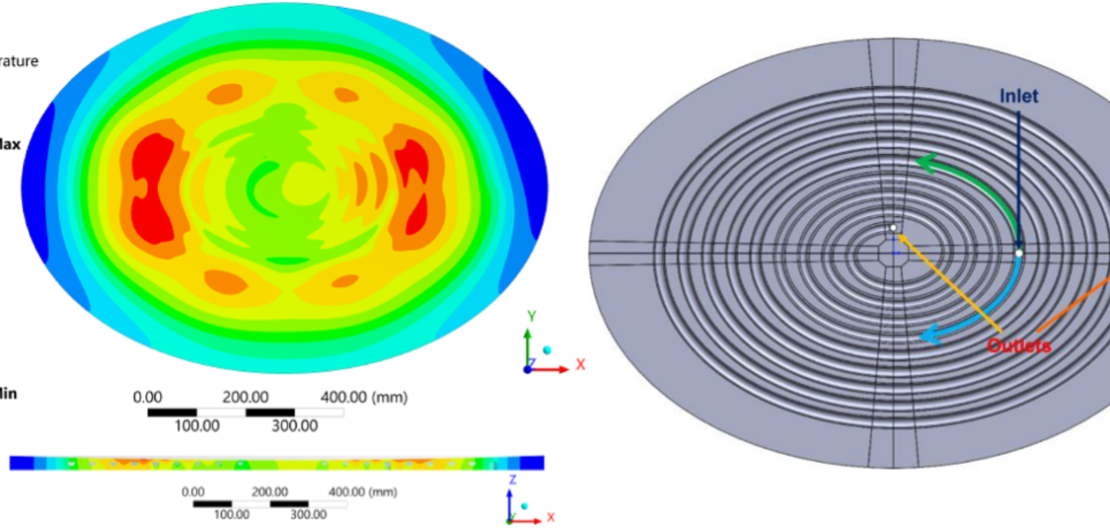
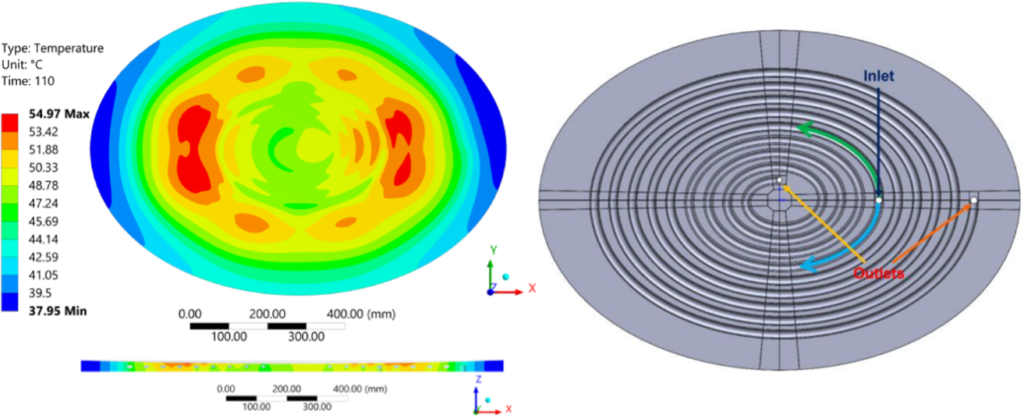
A new scientific paper [1] has been published by the UNITUS Nuclear Fusion Research team, concerning the Italian facility “Divertor Tokamak Test” (DTT) [2]. The paper presents a preliminary study about the Parabolic Mirror of the multi-beam transmission line. The design of the mirror has a primary objective: to minimize the temperatures of the mirror and, consequently, the deformation caused by thermal expansion. This is aimed at reducing the impact on the losses in beam transmission efficiency. Various design options, such as materials, body thickness, and cooling solutions, including the shape of cooling channels and water flow, are explored, and discussed.

The mirror is focusing with a parabolic superior surface and has an elliptical shape. The first part of the work is about the realization of the standard CAD model, considering its main characteristics. This kind of structure is subject to the thermal load coming from the absorbed fraction of the microwave beams power, transmitted by eight beams, reflecting on its surface, simultaneously.

Different mirror models are compared. The first option considers an aluminium mirror. The second option is a Stainless-Steel (SS) mirror coupled with a copper layer. Both configurations foresee a simple cooling channel, with elliptical shape and only one turn. Two advanced options include improving the cooling channel, by introducing a cooling channel with a double spiral path, which increases the heat exchange area and allows for better temperature uniformity. An application is on a SS mirror coupled with a copper layer, whilst the second on a pure-copper mirror.
To compare the models evaluating the best performance, thermal and structural analyses have been carried out with ANSYS software and its embedded tool to simulate in a simplified way the water in the cooling channel.

The first results concern the trends of the time evolution of the maximum temperature. They are pairwise similar in two aspects: the reached peak and the cooling rate. The first two configurations with elliptical channel lead to higher peaks and slower cooling, while the spiral channel (third and fourth configurations) to lower peaks and faster cooling. In particular, the design with spiral channel and pure copper has a peak temperature of 55 °C, reduced by ~ 52 %, compared to the first configuration. This decrement of the temperature is good for the structural results. Indeed, from a structural point of view, the comparison of the Z deformation of all the configurations shows that the design in SS-Cu with elliptical channel is the worst solution and the design in pure Cu with spiral channel, has the best structural performance. The main reason is the high thermal conductivity of the copper and the wider heat exchange area possible with the spiral path. The maximum total deformation of this configuration is 0.140 mm, 83% lower than the first configuration (aluminium, with elliptical channel).

Having found the best solution among those proposed, an optimization was done in terms of thicknesses and hydraulic parameters.
The final configuration is a copper mirror with a bulk dug by a double spiral cooling channel, with the addition of a cover layer. The minimum total thickness of the mirror is 2 cm, including 4 mm (minimum thickness) of the cover layer. With an inlet water temperature of 30 °C and a mass flow rate of ~ 10 l/min for both spirals, the maximum temperature on the mirror is ~55 ◦C, recorded at the end time of the pulse of the beams. At the same time, the maximum total deformation is 0.140 mm. Although the highest temperatures occur at the end, the most critical moment in terms of deformation occurs approximately 34 seconds after the pulse begins, when the maximum total deformation reaches a value of 0.177 mm.  The deformed geometry resulting from critical instants will be examined to analyse its impact on the propagation of beams.

References

[1]     Salvitti, Alessandra, et al. “Preliminary thermal and structural analyses on the parabolic mirror of the Multi-Beam Transmission Line of the DTT ECH system.” Fusion Engineering and Design 200 (2024): 114106.

[2]     R. Martone, et al., DTT Divertor Tokamak Test facility Interim Design Report, ENEA (2019).

Figure 1: (Left) Temperature distribution of the last configuration of the mirror. (Right) Detail of the double spiral cooling channel.
News

Inkjet-Printed IDCs for Sensing Applications: Characterization down to Cryogenic…

Interdigitated capacitors (IDCs) have become widely used in several fields ranging from gas sensing to microfluidics thanks to their high sensitivity and wide range of applications. Inkjet printing technology has been proposed as a promising method for fabricating such devices, due to its ability to create complex patterns with high accuracy, thus becoming a valid alternative to traditional fabrication methods.

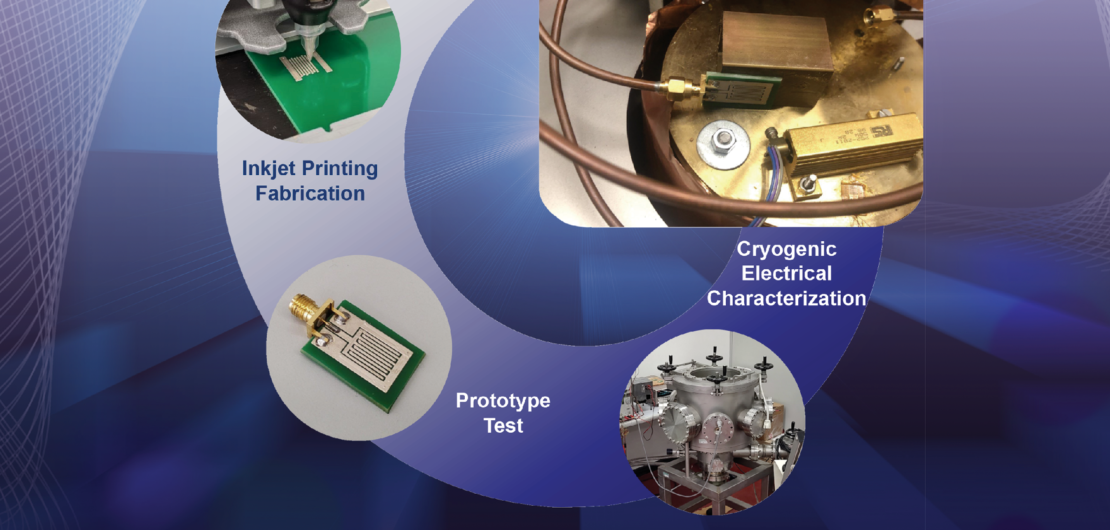
A recently published research article, which is entitled “Inkjet-Printed Interdigitated Capacitors for Sensing Applications: Temperature-Dependent Electrical Characterization at Cryogenic Temperatures down to 20 K”, details the temperature-dependent electrical properties of inkjet-printed IDCs. The study was the result of a collaborative effort between two Italian research groups: the team led by Prof. Nicola Donato (Res4Net member) from the Department of Engineering at the University of Messina, and the group led by Prof. Silva from the Department of Industrial, Electronics and Mechanical Engineering at Roma Tre University.

The core of the research is the electrical characterization of interdigitated structures, usually employed for sensors development, from room temperature down to cryogenic levels. The research performed provides insights that can be useful in future advancement of the design and optimization of inkjet-printed microwave transducers, particularly in the fields of sensing applications.

The study was recently published in the MDPI Instruments journal and was selected as the cover for Volume 7, Issue 3 (September 2023) of the journal . This highlights the relevance of the article and its contribution to ongoing discussions in the scientific community.

The full version of the article is available here .

News

Parametric FE model for the thermal and hydraulic optimization…

In EU-DEMO reactor, components exposed to burning plasma are subject to extreme conditions due to short and extremely strong thermal transients, which impact their lifetime and functional integrity [1]. Due to this energy, surface vaporization, melting and resolidification may lead to excessive degradation and frequent extraordinary maintenance. For this reason, in view of EU-DEMO and future reactors, one of the most challenging aspects of fusion reactor technology is to design FW (First Wall) sacrificial limiters that will prevent excessive damage of the otherwise un-shadowed FW modules during extreme plasma transients [2]. Rather than dense armors, W-lattice structures can contribute to this purpose, since they can be optimized to have a thermal conductivity that ensures, at steady state, effective heat dissipation and at the same time a thermal diffusivity that, in transients, maximizes the vapor shielding effect [3].

The aim of the UNITUS nuclear fusion research team’s work was to identify, through a parametric model, the optimized component configurations to be considered for this sacrificial limiter, in order to maximize its functional effectiveness [4]. Based on the two elementary cell morphologies developed in previous studies [5], the parametric model allowed to investigate the combinations of relevant parameters, above all component size and geometries, armor/heat sink materials and thicknesses. Thermal optimization regarded both normal operation and two possible transient scenarios: an unmitigated plasma disruption or the Ramp Down phase. By scanning all possible combinations of parameters, those able to provide the best performances thus satisfying the user-defined functional requirements of the limiter were identified.

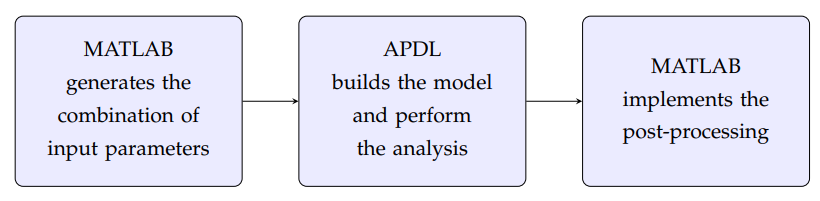
In detail, through a Matlab code, the possible combinations of relevant parameters were generated. Ansys APDL was used to build the model and perform the thermal analysis on each obtained configuration. The results achieved from the numerical analysis were re-imported into Matlab to verify the suitability of the examined configuration based on the chosen eligibility requirements.

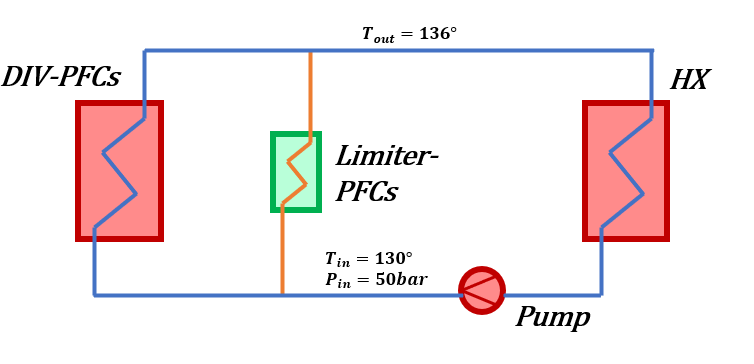
The identification of the possible configurations was followed by a preliminary study through Computational Fluid Dynamics of the thermo-hydraulic behaviour of the PFC cooling circuit. These innovative PFC layouts with tungsten lattices as sacrificial armor material were assumed as input for the analysis of the limiter PFC cooling water circuit in order to verify that the total pressure drop obtained was in line with the tolerable limits required for the potential integration of the limiter cooling circuits within the divertor PHTSs [6].

References

[1]     F. Maviglia, R. Albanese, R. Ambrosino, W. Arter, C. Bachmann, T. Barrett, G. Federici, M. Firdaous, J. Gerardin, M. Kovari, et al., Wall protection strategies for DEMO plasma transients, Fusion Engineering and Design 136 (2018) 410–414

[2]     J. You, C. Bachmann, V. Belardi, M. Binder, D. Bowden, G. Calabro, P. Fanelli, M. Fursdon, I. Garkusha, S. Gerashchenko, et al., Limiters for demo wall protection: Initial design concepts & technology options, Fusion Engineering and Design 174 (2022) 112988

[3]     A. v. Müller, M. Binder, G. Calabro, R. De Luca, P. Fanelli, R. Neu, G. Schlick, F. Vivio, J.-H.  You, Tailored tungsten lattice structures for plasma-facing components in magnetic confinement fusion devices, Materials Today 39 (2020) 146–147.

[4]     Stefanini, C., Fanelli, P., De Luca, R., Paoletti, D., Vivio, F., Belardi, V., … & Neu, R. (2023). Parametric FE model for the thermal and hydraulic optimization of a Plasma Facing Component equipped with sacrificial lattice armours for First Wall limiter application in EU-DEMO fusion reactor. Fusion Engineering and Design, 192, 113604.

[5]     R. De Luca, P. Fanelli, S. Mingozzi, G. Calabro, F. Vivio, F. Maviglia, J. You, Parametric design study of a substrate material for a demo sacrificial limiter, Fusion Engineering and Design 158 (2020) 111721.

[6]     I. Moscato, IDM Report DIV-DEMO.S.1- T011-D002.

Figure 1: Sacrificial component of thermal optimization and CAD model of the two optimized Kelvin cells identified in [5].
Figure 2: 2D thermal optimization procedure.
Figure 3: Simplified process flow diagram.
News

Biomedical Applications of Inkjet Printed Sensors

Inkjet printing (IJP) is an advanced and rapidly evolving technology that employs the deposition of ink droplets onto various types of substrates. This technique has found success with a plethora of substrates (e.g., paper, polyimide, polyethylene terephthalate, plastic, fiberglass, and ceramic) and different kinds of inks, including polymer, metal, and carbon. The remarkable versatility and widespread applicability of IJP enable it to stand out from the other prevalent technologies.

Recent literature has proposed various IJP-based devices for sensing purposes, including sensors for gas, fluid, strain, pressure, temperature, and humidity measurements. Moreover, IJP technology has proven effective in characterizing biological samples, such as cell cultures. In this context, the research group of Prof. Nicola Donato (Res4Net member) from the Department of Engineering, University of Messina, in collaboration with Prof. Cutroneo’s research group from the BIOMORF Department, have recently published their findings on the development of an inkjet printed microwave sensor designed for the contactless dielectric characterization of biological samples. The article is available as open access here.

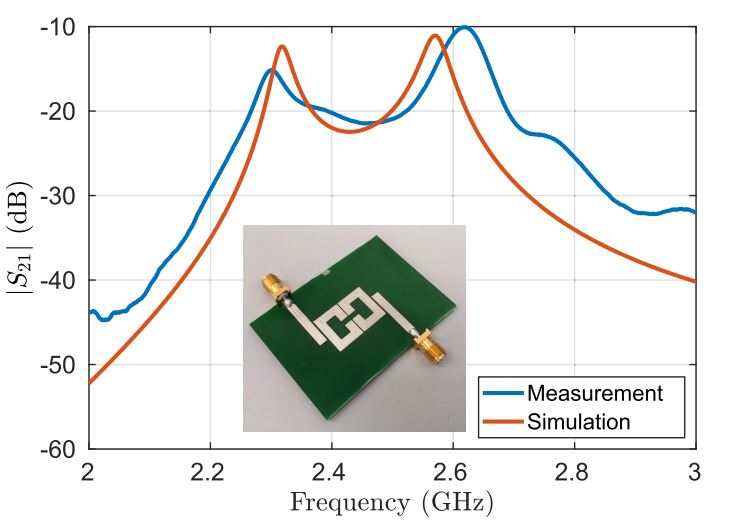
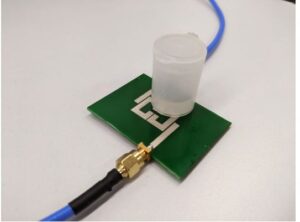
In their interdisciplinary study, the researchers employed the IJP technique to develop a planar microwave sensor for dielectric characterization of biological samples. The sensor consists of two capacitively coupled split-ring resonators, fabricated using microstrip technology. The proposed prototype is fabricated by printing on an FR4 substrate a silver-based conductive ink. Experimental analysis involved a water-ethanol mixture as a test solution, with varying ethanol volume fractions to alter the mixture dielectric properties. The mixture was placed in a sample vial, arranged on the sensor’s surface, thus eliminating the need for direct contact between the microwave device and the test solution.

The sample permittivity change influences the capacitive coupling between the two split-ring resonators, altering the separation between two resonant frequencies. This unique design enables the sensor to perform differential measurements, thereby improving its robustness.

For the sake of completeness, a lumped-element equivalent-circuit model has been used to estimate and analyze the changes in the values of the lumped elements with ethanol concentration.

Future work will extend the experimental validation to additional liquid mixtures and biological samples, further exploring the sensor capabilities and emphasizing the promising role of inkjet printed sensors in evolving biomedical research.

Photograph of the LDPE sample vial containing the water–ethanol mixture placed over the microwave sensor. 

News

Thermomechanical Analysis of a PFC Integrating W Lattice Armour…

A new scientific paper is published by the UNITUS Nuclear Fusion Research team, concerning a thermomechanical analysis of a plasma facing component (PFC) integrating tungsten lattice armour in response to different plasma scenarios predicted in the EU-DEMO Tokamak [1].
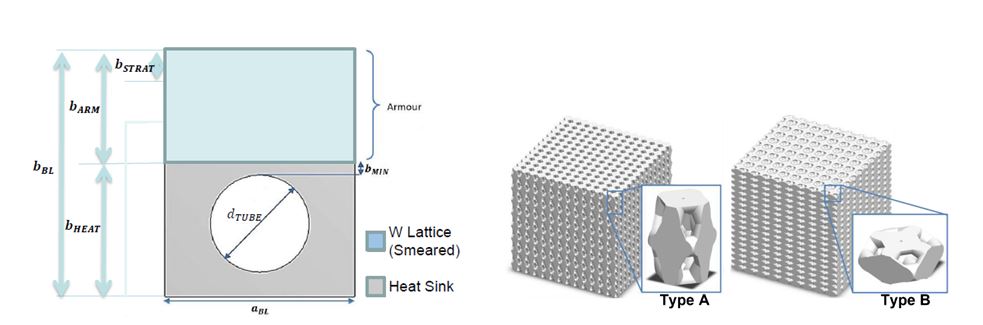
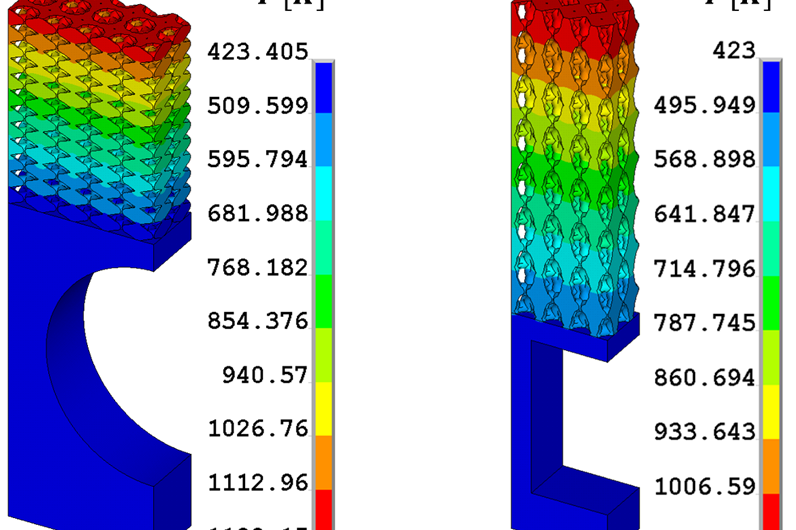
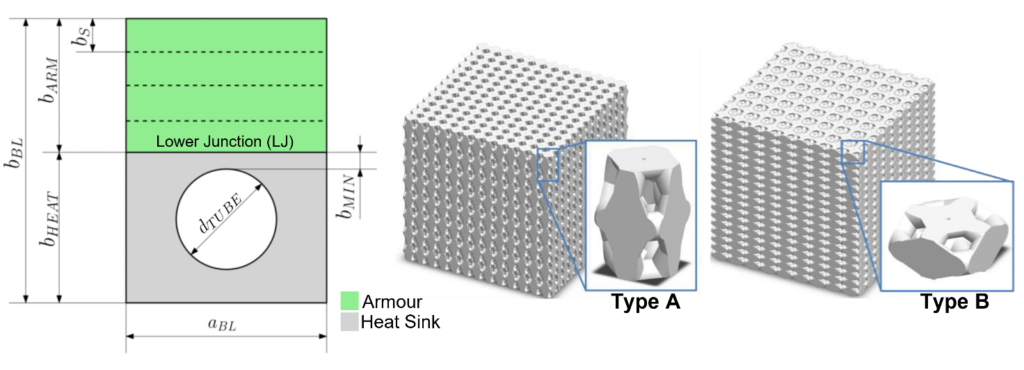
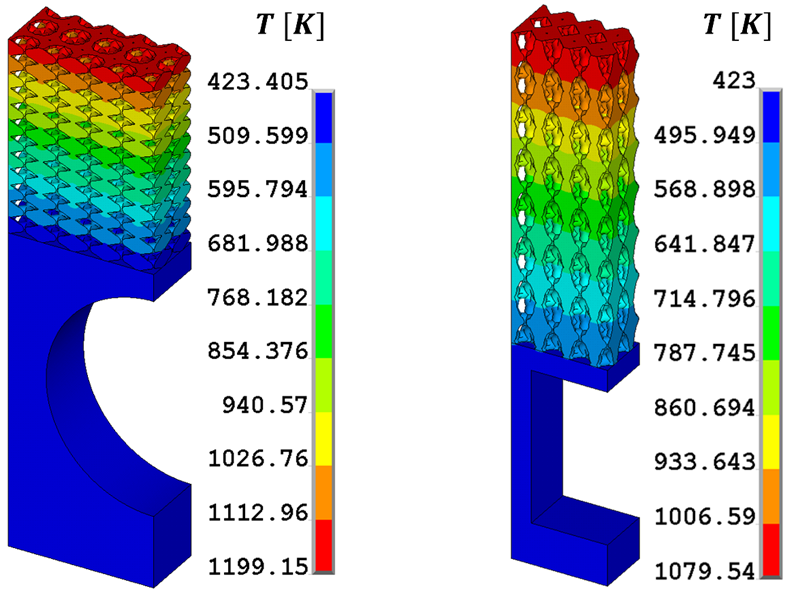
The effective and efficient management of power and particles produced within a tokamak is undoubtedly one of the fundamental steps towards the demonstration of nuclear fusion [2]. PFCs directly facing the plasma are subjected to harsh operating conditions characterised by intense thermal fluxes, erosion, neutron irradiation and sputtering phenomena, which worsen its thermos-structural resistance and deteriorate its functional integrity, ultimately [3]. The need of having sacrificial first wall limiters that are capable of mitigating the effects of such events is mandatory to provide solutions to prevent the excessive damage of the breeding blanket first wall modules in the EU-DEMO fusion reactor, in particular during harsh plasma transients. The integration of tungsten lattices into the architecture of these components can help in meeting their conflictual requirements: a proper morphology of the elementary cell combined with an optimisation of the component design can ensure the effective exhaust of nominal thermal power during normal operation and prompt vapour shielding formation during disruption when thermal decoupling between plasma and heat sink is required. Parametric analyses were conducted on the elementary cell [4] that lead to the identification of two optimised morphologies, (Types A and B). Parametric design analysis based on the use of a 2D model [5] proposed two optimised flat tile configurations in which the complexity of the geometry of the W lattice structure was simplified through a smeared approach: the first one was characterised by Type B W lattice armour, a CuCrZr heat sink and a circular cooling duct, and the second comprised Type A W lattice armour, a heat sink in EUROFER97 and a square duct. In the present work, a detailed 3D model of the two optimised component layouts was set-up, including the complex reticular geometry of the lattice structure, in order to analyse in detail the influence of the actual cellular morphology on the properties of the lattice layer and on the overall performance of the component. The 3D model allowed for performing coupled thermomechanical analyses with regard to the loading conditions that develop during different plasma scenarios and for verifying the structural integrity of the component through acceptance criteria established for ITER in-vessel components (SDC-IC). In particular, the two configurations considered in this study were able to effectively meet the requirements under normal reactor operating conditions (during which the nominal thermal load was in the order of 0.5–1.5 MW/m2 in EU-DEMO), while some requirements were missed in the ramp-down case (when transient heat flux peaks up to 4 MW/m2 were expected). However, the first HHF (high heat flux) tests are about to be performed in order to benchmark the analyses, and dedicated experimental campaigns are ongoing to evaluate the performance of similar components and to allow for a more accurate assessment of their structural integrity under the expected operating conditions [6], [7].

  • Paoletti et al., “Thermomechanical Analysis of a PFC Integrating W Lattice Armour in Response to Different Plasma Scenarios Predicted in the EU-DEMO Tokamak”, Nuclear Engineering 2022, 3, 421-434; 
  • J. H. Donné, “The European roadmap towards fusion electricity,” in Philosophical Transactions of the Royal Society A: Mathematical, Physical and Engineering Sciences, Royal Society Publishing, Mar. 2019.
  • R. Barrett et al., “Progress in the engineering design and assessment of the European DEMO first wall and divertor plasma facing components,” Fusion Engineering and Design, vol. 109, no. 111, pp. 917–924, 2016.
  • de Luca et al., “Parametric design study of a substrate material for a DEMO sacrificial limiter,” Fusion Engineering and Design, vol. 158, no. May, p. 111721, 2020.
  • Stefanini et al., “Parametric FE model for the thermal optimization of a Plasma Facing Component equipped with sacrificial lattice armours for First Wall limiter application in EU-DEMO fusion reactor,” 2022.
  • H. You et al., “Limiters for DEMO wall protection: Initial design concepts & technology options,” Fusion Engineering and Design, vol. 174, Jan. 2022.
  • Mantel et al., “Development and testing of an additively manufactured lattice for DEMO limiters,” Nuclear Fusion, vol. 62, no. 3, Mar. 2022.
Figure 1: Two-dimensional model of the flat tail PFCs subjected to parametric optimisation analysis and the CAD models of Type A and B elementary cells.
Figure 2: Contour plots of temperatures reached in the two optimised PFC layouts during normal reactor operation.
News

First experimental tests on the prototype of a capacitive…

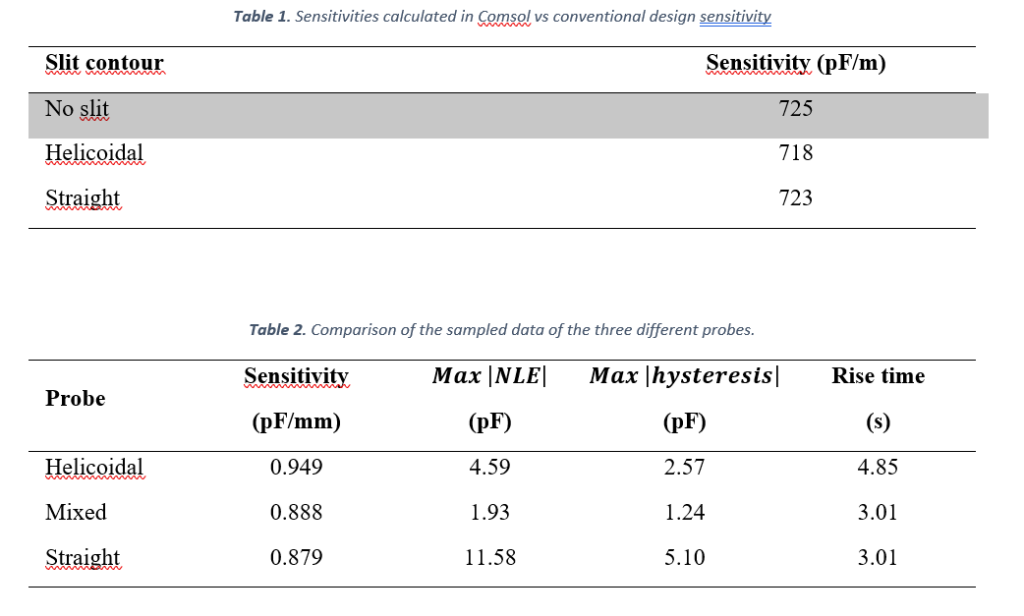
Methodology: In order to design a novel CLS, a first look is given at the conventional cylindrical probe. This is indeed similar to a capacitor with cylindrical armatures, and its capacitance is given by the equation:

where C0 is the dry capacitance, h is the height of the liquid, L is the length of the probe and ε is the dielectric constant of the liquid. From here, the capacitance per unit of length is:
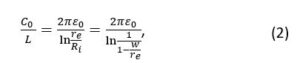
where ε0 is the vacuum/air permittivity, re is the inner radius of the external electrode, Ri is the outer radius of the internal electrode and w is the gap between the electrodes.

It is clear that a way to improve the sensitivity of the sensor is narrowing the gap w. Thus, as explained in [2], narrowing the gap between the two electrodes can make capillarity rise and the communicating vessels phenomenon to happen. The capillarity effect can be numerically modelled and addressed by engraving slits into at least one of the concentric probes so that no column above the bath level can build up in the channel. Two kinds of contour have been considered for the slits: helicoidal and straight. Both were carefully modelled and studied in COMSOL Multiphysics® to calculate the physical characteristics, in particular their sensitivities (Table 1). A third probe, with helicoidal slit on the external probe and the internal probe with no slits was tested too. This will be referred as “mixed”.

The conditioning circuit described in [1] is used for the readout of the prototypes of the probes. It consists in an Integrated Circuit by Texas Instruments that can be interfaced with an Arduino Uno. The sampled data is then processed in MATLAB.

To simulate the oil level change, a stepper motor was used to move the probes with high precision inside and outside of a cylinder full of lubricant oil by Viskoil.

For each sensor, sensitivity, hysteresis, rise time, and root mean square non-linearity error (RMSE) have been studied and evaluated to carry out a comparison.

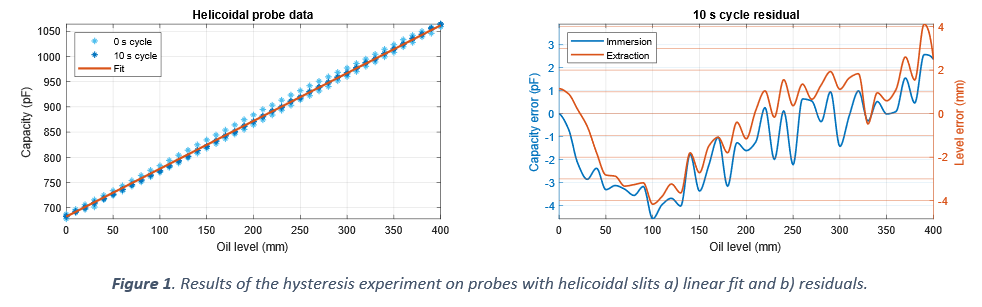
Hysteresis experiments were done with three immersion and extraction cycles of the probes with increasing pause times between the moving and the sampling phase. The experiments were performed over a full run of 400 mm in 10 mm steps. For each step, after a delay time (if added), 100 samples were taken in a time interval of about 2 s. The mean absolute hysteresis is calculated as the mean of the differences between the immersion and extraction measures. The sensitivity is calculated by fitting the 10 s cycle data with a first-grade polynomial function.

The rise time experiments were performed by measuring the sensor’s output capacitance for a minimum of 20 s, after rapidly dipping or extracting the probe into/from the oil. The time constant 𝜏63 was calculated as 63 % of the time from the moment the sensor stopped to the moment its output capacitance reached its settled value. Settling time was then assumed to be 𝑡𝑟=5∙𝜏63.

The same sampled data were also used to calculate the sensitivity of the sensor and the RMSE, both for the immersion and for the extraction movements.

Results: Table 2 and Figure 1 show some of the obtained results. According to the hysteresis experiment, the sensor with mixed electrodes showed overall the least residual non-linearity. With respect to the rise time evaluation experiments, the main issues arose with the helicoidal probe; in fact, in this case, we observed a very high  time constant since i) the gap between the two electrodes is very narrow and this increases the time needed for the oil to rise and fall in the gap, and ii) the slits are narrow too, allowing a thin membrane of oil to form in them. In this case, the vertical slit electrodes performed best, even though the results are comparable to the mixed electrodes ones. Finally, a preliminary look was given at the dynamic performance of the sensors. The residual non-linearity RMSE is comparable for all three probes. Results for the immersion and extraction are similar too. However, when fitting the sampled data and calculating the sensitivity, a clear difference between the extraction and immersion characteristics arises, with the sensitivity for the immersion being lower than the extraction.

Conclusions: The probes have been prototyped and tested using an in-house developed PC-based mechatronic system and readout electronic. Concerning the sensitivity, the proposed sensor showed an improvement of more than three times with respect to other commercial CLSs. Furthermore, the issue of the second-order response in response to a step change in the oil level was overcome, with an improvement in the settling time too.

References:

[1] Adamo, F.; Attivissimo, F.; de Gioia, S.; Di Nisio, A.; Lotano, D.; Savino, M. “Development and Prototyping of a Capacitive Oil Level Sensor for Aeronautical Applications”, 25th IMEKO TC-4 International Symposium on Measurement of Electrical Quantities, 2022, IMEKO TC-4 2022 and 23rd International Workshop on ADC and DAC Modelling and Testing, IWADC 2022, pp. 330 – 334.

[2] Adamo, F.; Attivissimo, F.; de Gioia, S.; Lotano, D.; Di Nisio, A. “A design strategy for performance improvement of capacitive sensors for in-flight oil-level monitoring aboard helicopters”, Measurement, 2023, 112476, ISSN 0263-2241, DOI: 10.1016/j.measurement.2023.112476.

[3] Adamo, F.; Attivissimo, F.; De Palma, L.; Lotano, D.; Di Nisio, A. “First experimental tests on the prototype of a capacitive oil level sensor for aeronautical applications”, Acta IMEKO, 2023,  ISSN 2221-870X, DOI: 10.21014/actaimeko.v12i1.1474
News

An optimized power conversion system for a stellarator-based nuclear…

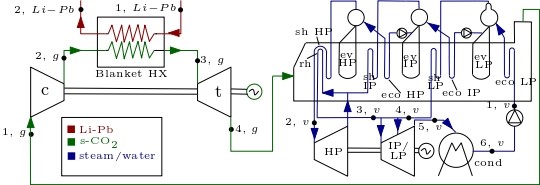
A new scientific paper is published by the UNITUS Nuclear Fusion Research team, concerning the optimization of the power conversion system for a stellarator-based nuclear fusion power plant [1].

Unlike all other fusion devices, which are pulsed, the stellarator is inherently steady-state. Thus, it requires a different downstream power conversion system compared to tokamaks. Notably, the authors conceive and optimize such a system for a stellarator power plant, equipped with plasma-facing liquid metal walls in high temperature range (700-900°C). This allows to reach a high power conversion efficiency, due to possible coupling with a CO2 Brayton-Rankine Combined Cycle [2]. Notably, the use of supercritical CO2 for the topping cycle is recommended for high efficiency and low system volume. Following the experience of large scale CC plants, the bottoming cycle is a three pressure superheated steam cycle, with optional re-heating. The system is described through a custom lumped parameter model implemented within MATLAB/Simscape® physical modelling environment. Such a model is preparatory for the optimization via genetic algorithm of the relevant system parameters: the compression ratio of the Brayton cycle and the high, intermediate, and low pressures of the steam turbines.

The efficiency of the power conversion system results 51% and net electrical efficiency of the complete plant (including electrical consumption of reactor auxiliary systems) is 34%. Such figures are remarkably higher compared to the state-of-the-art designs in the field of thermo-nuclear fusion plants, considering that the most optimistic and recent estimate foresee a heat-to-power conversion efficiency of about 34% for tokamak-like reactors. Once the model is validated thanks to the comparison with the results available in the literature for similar systems [2-3], the engineering feasibility, despite the critical components not being market-ready, is discussed. Indeed, the preliminary design of the large-scale supercritical CO2 Gas Turbine and of the compact heat exchanger for the Brayton cycle is successfully carried out.

[1] F. R. Famà et al., “An optimized power conversion system for a stellarator-based nuclear fusion power plant”, Energy Conversion and Management, 276, 116572, 2023. 
[2] S. Segantin et al., “Exploration of power conversion thermodynamic cycles for arc fusion reactor”, Fusion Engineering and Design, 155, 111645, 2020.
[3] B. Zohuri et al., “Advanced nuclear open air-Brayton cycles for highly efficient power conversion”, Nuclear Technology, 192, 1, 48–60, 2015.

7. Figure 1: Schematic of Combined Cycle (CC) featuring three working fluids. shown are the Heat eXchanger (HX), the compressor (c), turbine (t), the superheater (sh), reheater (rh), evaporator (ev), and economizer (eco) at high, intermediate and low pressure (HP, IP, and LP respectively) and condenser (cond).