News

The IEEE International Conference on Computational Intelligence and Virtual…

The IEEE International Conference on Computational Intelligence and 
Virtual Environments for Measurement Systems and Applications (CIVEMSA June-2022) was held in Chemnitz from 15 to 17 June 2022.
It was dedicated to all aspects of computational intelligence, virtual environments, and human-computer interaction technologies for measurement systems and related applications.
Prof.  Pasquale Arpaia of the Res4Net held the opening Keynote focused 
on active, reactive, and passive Brain Computer Interface for 4.0 
applications in the medical and industrial fields.

A brief history of CIVEMSA

In 1996, the IEEE Instrumentation and Measurement Society organized the IEEE Workshop on Emerging Technologies in Instrumentation and Measurement to explore the theoretical insights and the practical use of innovative technologies for the area of measurement systems and related applications. Two main areas were considered: computational intelligence and virtual environments.

The workshop evolved, with different names, in each of the subsequent years by focusing on various aspects of these areas and becoming a symposium.

In 2003 the organizers realized that the topics and the communities interested in this workshop were diverging and therefore started two conferences, each focusing on one of the two areas mentioned above: the IEEE International Conference on Computational Intelligence for Measurement Systems and Applications (IEEE CIMSA) and the IEEE International Conference on Virtual Environments, Human-Computer Interfaces, and Measurement Systems (IEEE VECIMS). IEEE CIMSA was sponsored by the IEEE Computational Intelligence Society and the IEEE Instrumentation and Measurement Society, while IEEE VECIMS was sponsored only by the IEEE Instrumentation and Measurement Society. The two meetings were held in parallel in the same location, to exploit synergies in local arrangement expenses and efforts, even though the communities started clearly to separating one from the other. These conferences constituted two successful series which reached the tenth edition in 2012.

In the past few years, however, the organizers noticed a convergence of the two technological areas of these conferences. For this reason, the Steering Committees of the two conferences unanimously voted to terminate the two series and merge the meetings in a new conference series to maximize the benefits for the communities: IEEE International Conference on Computational Intelligence and Virtual Environments for Measurement Systems and Applications (IEEE CIVEMSA).

Past Conference Listings & Websites

IEEE CIVEMSA 2021

Virtual
2021 IEEE International Conference on Computational Intelligence and Virtual Environments for Measurement Systems and Applications

IEEE CIVEMSA 2020

Virtual
2020 IEEE International Conference on Computational Intelligence and Virtual Environments for Measurement Systems and Applications

IEEE CIVEMSA 2019

Tianjin, China
2019 IEEE International Conference on Computational Intelligence and Virtual Environments for Measurement Systems and Applications

IEEE CIVEMSA 2018

Ottawa, Canada
2018 IEEE International Conference on Computational Intelligence and Virtual Environments for Measurement Systems and Applications

IEEE CIVEMSA 2017

Annecy, France
2017 IEEE International Conference on Computational Intelligence and Virtual Environments for Measurement Systems and Applications

IEEE CIVEMSA 2016

Budapest, Hungary
2016 IEEE International Conference on Computational Intelligence and Virtual Environments for Measurement Systems and Applications

IEEE CIVEMSA 2015

Shenzhen, China
2015 IEEE International Conference on Computational Intelligence and Virtual Environments for Measurement Systems and Applications

IEEE CIVEMSA 2014

Ottawa, Canada
2014 IEEE International Conference on Computational Intelligence and Virtual Environments for Measurement Systems and Applications

IEEE CIVEMSA 2013

Milan, Italy
2013 IEEE International Conference on Computational Intelligence and Virtual Environments for Measurement Systems and Applications

IEEE CIMSA 2012

Tiajin, China
2012 IEEE International Conference on Computational Intelligence for Measurement Systems and Applications

IEEE VECIMS 2012

Tiajin, China
2012 IEEE International Conference on Virtual Environments, Human-Computer Interfaces and Measurement Systems

IEEE CIMSA 2011

Ottawa, Canada
2011 IEEE International Conference on Computational Intelligence for Measurement Systems and Applications

IEEE VECIMS 2011

Ottawa, Canada
2011 IEEE International Conference on Virtual Environments, Human-Computer Interfaces and Measurement Systems

IEEE CIMSA 2010

Taranto, Italy
2010 IEEE International Conference on Computational Intelligence for Measurement Systems and Applications

IEEE VECIMS 2010

Taranto, Italy
2010 IEEE International Conference on Virtual Environments, Human-Computer Interfaces and Measurement Systems

IEEE CIMSA 2009

Hong Kong, China
2009 IEEE International Conference on Computational Intelligence for Measurement Systems and Applications

IEEE VECIMS 2009

Hong Kong, China
2009 IEEE International Conference on Virtual Environments, Human-Computer Interfaces and Measurement Systems

IEEE CIMSA 2008

Istanbul, Turkey
2008 IEEE International Conference on Computational Intelligence for Measurement Systems and Applications

IEEE VECIMS 2008

Istanbul, Turkey
2008 IEEE International Conference on Virtual Environments, Human-Computer Interfaces and Measurement Systems

IEEE CIMSA 2007

Ostuni, Italy
2007 IEEE International Conference on Computational Intelligence for Measurement Systems and Applications

IEEE VECIMS 2007

Ostuni, Italy
2007 IEEE International Conference on Virtual Environments, Human-Computer Interfaces and Measurement Systems

IEEE CIMSA 2006

La Coruna, Spain
2006 IEEE International Conference on Computational Intelligence for Measurement Systems and Applications

IEEE VECIMS 2006

La Coruna, Spain
2006 IEEE International Conference on Virtual Environments, Human-Computer Interfaces and Measurement Systems

IEEE CIMSA 2005

Giardini Naxos – Taormina, Italy
2005 IEEE International Conference on Computational Intelligence for Measurement Systems and Applications

IEEE VECIMS 2005

Giardini Naxos – Taormina, Italy
2005 IEEE International Conference on Virtual Environments, Human-Computer Interfaces and Measurement Systems

IEEE CIMSA 2004

Boston, MA, USA
2004 IEEE International Conference on Computational Intelligence for Measurement Systems and Applications

IEEE VECIMS 2004

Boston, MA, USA
2004 IEEE International Conference on Virtual Environments, Human-Computer Interfaces and Measurement Systems

IEEE CIMSA 2003

Lugano, Switzerland
2003 IEEE International Conference on Computational Intelligence for Measurement Systems and Applications

IEEE VECIMS 2003

Lugano, Switzerland
2003 IEEE International Conference on Virtual Environments, Human-Computer Interfaces and Measurement Systems

IEEE VIMS 2002

Girdwood, AK, USA
2002 IEEE International Symposium on Virtual and Intelligent Measurement Systems

IEEE VIMS 2001

Budapest, Hungary
2001 IEEE International Workshop on Virtual and Intelligent Measurement Systems

IEEE VIMS 2000

Annapolis, MD, USA
2000 IEEE International Workshop on Virtual and Intelligent Measurement Systems

IEEE VIMS 1999

Venice, Italy
1999 IEEE International Workshop on Virtual and Intelligent Measurement Systems

IEEE ETIMVIS 1998

St. Paul, MN, USA
IEEE International Workshop on Emergent Technologies, Intelligent Measurement and Virtual System for Instrumentation and Measurement

IEEE ETVSIM 1997

Niagara Falls, Canada
IEEE International Workshop on Emergent Technologies and Virtual System for Instrumentation and Measurement

IEEE ETIM 1996

Como, Italy
IEEE International Workshop on Emergent Technologies for Instrumentation and Measurement

News

Deep Learning-Based Computer Vision for Real-Time Intravenous Drip Infusion…

Two basic tasks in the perioperative period are i) surgery and ii) patient monitoring and care. The outcome of diagnosis and surgical interventions can be improved by means of electromagnetic tracking systems (EMTSs) [1], widely used in surgical navigation. They employ very small EM sensors, which measure the magnetic field produced by a field generator, thus accurately estimating the pose of the instrument in the operative scenario. Moreover, in the pre- and postoperative phase, monitoring the flow rate of the fluid being administered to patients is very important for their safety. Hence, our proposed system [2] uses a camera to film the intravenous (IV) drip infusion kit and a deep learning-based algorithm to detect and count drops. The usage of a camera as a sensing element is safe in medical environments and can be easily integrated into current health facilities.

1. Example of Application field: Health, Tracking
2. Example of Activity: Monitoring, Diagnosis, Surgery

News

Using MAXFEA code in combination with ANSYS APDL for…

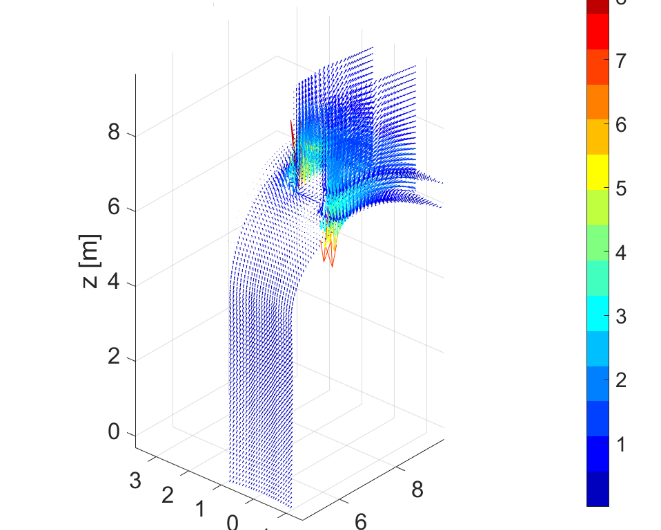
A new scientific paper has been published by the UNITUS Nuclear Fusion Research team, concerning the development of a new multiphysics and multicode approach aimed at 3D detailed evaluation of the electro-magnetic loads experienced by the tokamak structures both in normal and off-normal conditions, e.g. plasma disruptions [2].

Plasma disruptions are one of the major concerns in the design phase of fusion devices. The very high eddy and halo currents, induced in the passive structures, crossing the electromagnetic field generate huge loads. According to [3], plasma disruptions are usually classified depending on the position of the plasma column at the Thermal Quench (TQ), as Major Disruptions (MDs) and Vertical Displacement Events (VDEs). A Vertical Displacement Event (VDE) begins with a loss of position control that develops before any appreciable cooling of the plasma core. The occurrence of undesired plasma perturbations such as Edge Localized Modes (ELMs), unforeseen H-L and L-H transitions, minor disruptions (mDs), etc., that are strongly connected to variations of plasma internal parameters and, consequently, to plasma displacements, are among the possible causes of such instabilities [4]. During a VDE, in an initial phase, the plasma moves vertically away from its equilibrium position and starts to induce current in the passive structure mainly by its movement. In this phase, the plasma moves towards the wall, reducing progressively its area, typically with a little change in the total plasma current, since the plasma thermal energy is still present. Then, when the plasma starts to significatively interact with the structures or when plasma reaches a critical value of the safety factor, conditions for a rapid growth of MHD activity inevitably arise and the TQ occurs. As a consequence of the TQ, the ensuing increase in plasma resistivity produces the Current Quench (CQ) phase.

During the plasma evolution, especially during the TQ and CQ, toroidal and poloidal eddy currents are induced in the metallic components, respectively due to the dynamic effect of plasma Poloidal Field Variation (PFV) and Toroidal Field Variation (TFV). The plasma time evolution and the effects of such events on the passive structures can estimated through 2D axisymmetric codes, such as MAXFEA. However, the presence of 3D structures (e.g. ports, divertor, etc.) generates non-trivial currents paths and distribution of EM loads. In order to estimate the 3D effects, MAXFEA has been used in combination with ANSYS, allowing to estimate both PFV and TFV consequences on the 3D model. Considering the DEMO PMI configuration and a fast upper Vertical Displacement Event (VDE), the procedure was successfully benchmarked, comparing the MAXFEA and APDL results, in a case where the 3D Vacuum Vessel (VV) was considered axisymmetric. The methodology has been then exploited and applied to estimate the EM load distribution on the real DEMO VV.


[1] Maviglia et al., “Integrated design strategy for EU-DEMO first wall protection from plasma transients,” Fusion Eng. Des., vol. 177, no. February, p. 113067, Apr. 2022.

[2] Lombroni et al., “Using MAXFEA code in combination with ANSYS APDL for the simulation of
plasma disruption events on EU DEMO”, Fusion Eng. Des., vol. 170, September 2021 112697, https://doi.org/10.1016/j.fusengdes.2021.112697

[3] Hender et al., “Chapter 3: MHD stability, operational limits and disruptions,” Nucl. Fusion, vol. 47, no. 6, pp. S128–S202, Jun. 2007.

[4] Sias et al., “Inter-machine plasma perturbation studies in EU-DEMO relevant scenarios: lessons learnt for EM forces prediction during VDEs,” Nucl. Fusion, Feb. 2022.

News

Res4Net presents TC-06 – Emerging Technologies in Measurements

In recent years, different areas have been explored, technical meetings have been organized (including special sessions in I2MTC, our Society’s main conference and workshops) to broaden analysis and discussion, and related communities have been aggregated in our Society. The committee also organized special sessions at other IEEE conferences to draw attention to specific areas of incubation and promote instrumentation and measurement principles, methods and technologies to other communities. Finally, the committee organized special issues in the IEEE Transactions on Instrumentation and Measurement, the I&M journal, and other emerging area journals. These efforts have led to the creation of some technical committees in our company, such as intelligent measurement systems and fault tolerant measurement systems. In addition, the TC-6 also inspired the creation of other technical groups and committees.

The TC-6 was recently launched with a focus on autonomous vehicle measurement and quantum computing technologies. Autonomous vehicles (such as those that fly or are underwater) have become a popular and cost-effective tool for many sensing and measurement applications (such as infrastructure inspection and testing, environmental monitoring and mariculture or agriculture), combining time and space coverage and accessibility unattainable with other technologies. A new generation of rovers are engaged in space missions. There is a demand for the development of new and advanced instruments, as well as for their calibration and testing. Astronomical Observation Instruments That Measure the Earth ‘

For quantum technologies, TC-6 began studying to determine the main technical areas where experience and expertise in our measurement community could be useful to more efficiently support the development and implementation of quantum systems. Recently, there have been breakthroughs in the accurate measurement of atomic qubit states, which is a key step in the development of quantum computers.

The objectives of this Committee are:

  • Stimulate the interest of researchers and professionals in emerging technologies in their application in the field of instrumentation, measurement and testing;
  • Respond to the growing demand for emerging technologies in terms of performance and functionality;
  • To disseminate the use and knowledge of emerging technologies in the I&M fields to the academic and scientific communities;
  • Provide forums such as workshops and conferences where such new and emerging technologies can be discussed;
  • Promote the use of these technologies in real applications;
  • Maintain contact with other groups, companies and standardization activities operating in the same fields.
News

UAVs for Agriculture 4.0 Applications

With a mean production of 450–550 ×106 kg/year of olive oil, olive tree cultivation is undoubtedly one of the main sources of agricultural revenue for Italy. In particular, the Apulia region in the south, with over 360 kha (kilohectares) covered with 21 different olive cultivars with a prevalence of Ogliarola and Coratina cultivars, is the region with the highest percentage of production (>35% of the total yearly Italian production) [1]. In the past decade, this production has been greatly impacted by many threats, primarily Xylella fastidiosa (Xf), a pathogen that has been known around the world for decades, but which since 2013 has put the survival of Apulian olive cultivation at great risk. It is a bacterium that can attack olive trees, vines, oleander, and some species of citrus fruits, causing them to rapidly dry out. This phenomenon, when observed on the olive trees, is known as olive quick decline syndrome (OQDS) [2,3,4,5,6,7,8,9,10,11].
Xf is endemic to the American continent and, until recently, it did not exist in Europe [12]; indeed, its arrival in Europe was tracked back to the import of some infected ornamental plants from Costa Rica (Central America) to Gallipoli (province of Lecce in southern Italy) in 2013 [13]. From there, the bacterium spread to the northwest provinces of Brindisi and Taranto, and some infected trees have also been recently reported in the province of Bari (northeast). A large number of publications about the impact of Xf in Puglia are available; a small selection is included in the references [14,15,16,17,18,19,20,21,22,23,24,25,26,27,28,29,30,31].
The main problems concerning the detection of this disease in olive trees are the possible lack of symptoms over an incubation period ranging from 6 to 18 months from infection and the nonuniform distribution of the bacterium on the infected plants, making it somewhat difficult to identify until it is too late.
Characterization of infection spread may potentially be achieved as was done previously for citrus using geostatistical analysis and kriging estimation, which might also be combined with Kalman filter prediction; however, the availability of data from extended monitoring is fundamental [32,33].
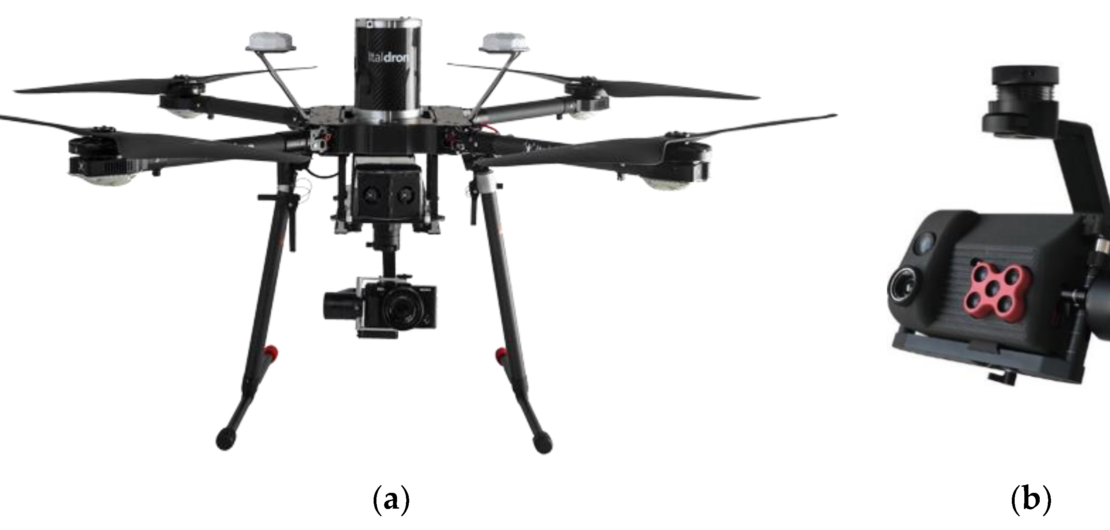
To date, the most accurate method to detect the presence of the Xf bacterium is by means of laboratory genetic analyses using the PCR technique (polymerase chain reaction [34,35]), a sophisticated and complex technique used to reproduce small segments of DNA many times in order to be able to process them in successive tests. The PCR technique is more sensitive than serological analyses of the ELISA type (enzyme-linked immunosorbent assay [36,37]), which are sensitive to antibodies or antigens of a given pathogen. Due to their inherent lower sensitivity, ELISA-type tests can produce a greater number of false negatives. However, both these techniques require medium to long waiting times (some days) to produce results and are applicable only in a laboratory using high-cost analytical instruments, so they are not applicable in real time in the field. Indeed, they require intensive in situ inspection though interesting methods useful to estimate water content and thermal characterization have been proposed [38,39,40,41]. Recently introduced alternative techniques involve proximity or remote sensing, i.e., the use of electromagnetic radiation and its interaction with objects and living beings. The advancement of satellite and aerial detection techniques, telecommunications systems and optical sensors has led to the application of these analysis techniques to images acquired by satellites (remote sensing by satellite), small manned planes or helicopters, or aerial platforms with a remote pilot (unmanned aerial vehicles; UAVs), commonly called “drones” in a wide range of fields [41,42,43,44,45]. UAV platforms can be further distinguished as fixed-wing types, which allow monitoring of large areas from medium–high altitudes, and rotary-wing types, which allow observation of less extensive areas from medium–low altitudes. In recent years, the application of UAVs in precision agriculture as well as in many other fields is becoming more and more common, requiring test systems able to guarantee and certify both electrical and mechanical performance aspects of their propulsion subsystems [46,47,48].
Typically, the radiation reflected by vegetation is concentrated in the visible (VIS), near-infrared (NIR), and medium infrared (SWIR; short-wave infrared) spectral regions, while the emitted radiation is concentrated in the thermal infrared (TIR) spectral region.
Spectral analysis finds frequent and extensive use in many areas of the physical sciences; this technique is one of the statistical methods used to characterize and analyze sequenced data in one-, two-, and three-dimensional space. In this area, many studies have been devoted to reducing bias and variance of the estimates [49,50].
The spectral signature of vegetation, which is the relative intensity of the re-radiated radiation as a function of the wavelength of the incident light, contains a range of information. Indeed, the shape of this curve
  • depends on the photosynthetic activity in the VIS region;
  • depends on the structure of plants’ leaves and foliage (size, number of leaf layers, etc.) in the NIR region;
  • is strongly influenced by the water content in the SWIR region.
The use of terrestrial or aerial drones, both manned and unmanned, equipped with multi- or hyperspectral image cameras to study the health status of plantations of various kinds is not a novelty in precision agriculture or for forestry monitoring [51,52,53,54,55]. There are also pioneering applications of drones for the detection of Xf-infected plants [56,57,58,59].
Xf represents such a serious threat to the future survival of the olive orchards in Italy that the Italian Ministry of Economic Development (MiSE) recently committed €3.5 million to funding another important research project named REDoX (Remote Early Detection of Xylella), which is focused on the detection and monitoring of Xf using multispectral, hyperspectral, and thermal imagery obtained by aircrafts, UAVs, and satellites. The REDoX project is being coordinated by the Apulian Aerospace Technological District (DTA) [60].
In this paper, it is shown that multispectral imagery shot using a midsized rotary-wing UAV can be successfully used to evaluate the health of olive trees in nearly real time with respect to olive quick decline syndrome due to Xf. For this purpose, a tree segmentation algorithm was developed and linear discriminant analysis (LDA) was applied to multispectral stacks. In Section 2, after a brief introduction to remote sensing in agriculture, the equipment used in this research and standard vegetation indexes are described. The proposed algorithm is also presented: image preprocessing is described Section 2.1; 3D reconstruction of the scene is described in Section 2.2; tree segmentation is detailed in Section 2.3; and health status classification is described in Section 2.4. Experimental results and performance evaluation are provided in Section 3, followed by discussion in Section 4 and conclusions in Section 5.
News

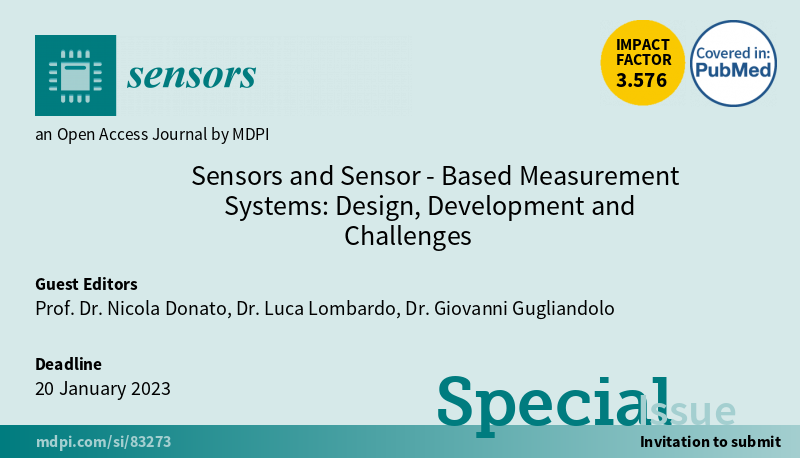
Sensors and sensor-based measurement systems: design, development and challenges

In the last decade, the sensors market has witnessed an abrupt rising adoption rate in the wake of a variety of factors, including widespread IoT applications, growing wireless network demand, and rising demand for high accuracy sensors and more efficient and reliable measurement systems. Sensors are used for a wide range of applications such as environmental monitoring, agriculture, healthcare, and human-machine interaction. With the increasing advances of sensor technologies in a wide range of applications, sensing devices have become more and more pervasive and capable. For instance, the number of sensors included in the latest generation of smartphones is huge: from the touchscreen and fingerprint sensors to the heart rate sensor passing through the Global Positioning System (GPS) sensor. Their combination enables users to interact with the device, support their everyday activities, and monitor their state of health. Likewise, wearables equipped with sensors (e.g., smartwatches and smart bands) have also become an increasingly popular option for monitoring health and fitness.

Additionally, several factors have also resulted in the surging demand for sensors, such as increasing Internet connectivity worldwide, growing industrial automation, and growing requirements for improved efficiency in industries. The global sensing market is thus expected to experience strong growth in the next few years. The market is also expected to gain prominence over the forthcoming years owing to the rise in the integration of IIoT and 5G networks.

In this context, the research of novel sensors and sensor-based measurement systems represents one of the most important challenges for the development of new and advanced applications.

This is the main topic of the Sensors Journal (MDPI) Special Issue (SI) entitled “Sensors and Sensor-Based Measurement Systems: Design, Development and Challenges” and edited by Prof. Nicola Donato from the University of Messina (Res4Net member) in collaboration with Dr. Luca Lombardo (Politecnico di Torino) and Dr. Giovanni Gugliandolo (University of Messina).

The scope of this SI is to publish high-quality research papers as well as review articles including, but not limited to, design, development, characterization, and employment of sensors and sensor-based measurement systems. New application scenarios, as well as sensor technology and sensor fusion and measurement issues, are also topics of interest.

The SI is open and will accept paper proposals up to 20 January 2023.

For more information visit the official SI page 


News

Inter-machine plasma perturbation studies in EU-DEMO relevant scenarios: lessons…

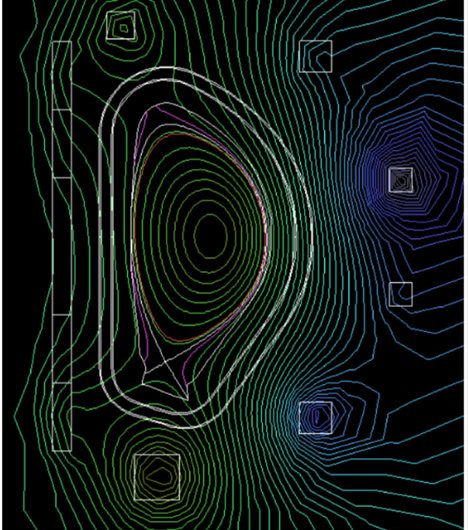
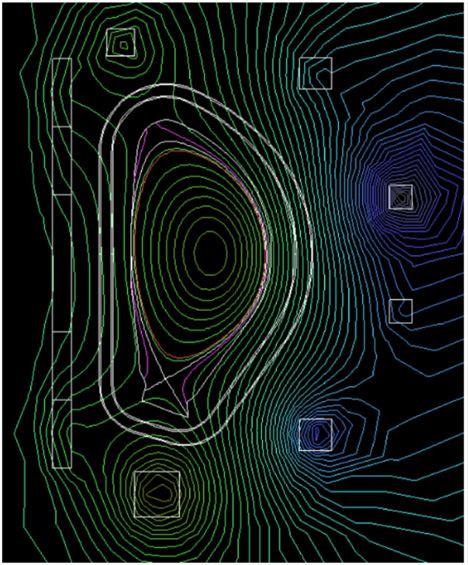
A new scientific paper has been published by the UNITUS Nuclear Fusion Research team, concerning inter-machine plasma perturbation studies in EU-DEMO relevant scenarios.

The DEMO wall protection strategy is among one of the key issues to be solved to achieve commercial nuclear fusion reactors and fusion energy. Therefore, the development of comprehensive analyses is mandatory to assess how transient perturbations on plasma shape control and on vertical stability affect the tokamak performances with elongated plasmas. Moreover, the design of the limiter structures needs a deep understanding also of the effects induced by one of the most severe load conditions to occur in tokamaks, the Vertical Displacement Events (VDEs). Electromagnetic loads during VDEs are among the DEMO limiter’s design drivers because they provide specifications regarding their electromagnetic and mechanical performances. Therefore, predictive simulations of the final plasma position and of EM loads following a VDE are essential to understand the operational space of the future commercial nuclear fusion reactors. For this purpose, a multi-tokamak study has been carried out and an inter-machine database has been built and populated with experimental transient plasma perturbations and VDEs from JET and ASDEX Upgrade (AUG) tokamaks. Thanks to statistical analyses carried out on the data collected into the database, some transient plasma perturbations (namely, low-to-high confinement mode transitions, high-to-low confinement mode transitions and Edge Localized Modes) have been characterized. They have been chosen since they may lead to high control actions by the vertical stability system in terms of variations of the plasma’s internal parameters and vertical displacements. Then, experimental transient plasma perturbations have been properly scaled to DEMO reference geometries with different magnetic configurations. Finally, initial predictive electromagnetic loads on DEMO limiter structures are calculated in the case of VDEs following plasma perturbations, providing lessons to be learnt in view of DEMO.

Sias, S. Minucci, M. Lacquaniti, R. Lombroni et al., “Inter-machine plasma perturbation studies in EU-DEMO relevant scenarios: lessons learnt for EM forces prediction during VDEs”, accepted for publication on Nuclear Fusion.

Electromagnetic reconstruction of a Single-Null divertor plasma.
News

An equivalent-circuit model for saw resonators: from room down…

The concept of the surface acoustic wave (SAW) technology was first explored in 1885 by Lord Rayleigh, who studied the propagation of acoustic waves in piezoelectric materials. SAW devices today represent a hot research topic because of their widespread use in several fields. They are compact, easy to fabricate, and cost-effective. They represent a key technology in many fields, such as automotives, electronics, medical, aerospace, and defense. Moreover, SAW resonators are widely used in sensing applications because of their unique features that enable them to be used as detectors in battery-less systems with remote wireless interrogation.

The operating principle of a SAW resonator is relatively simple. An acoustic wave travels through the surface of a piezoelectric material. Any stimulus or perturbation on the device substrate (e.g., a temperature change) may affect the propagation of the acoustic wave, thus altering the characteristic resonant frequency.

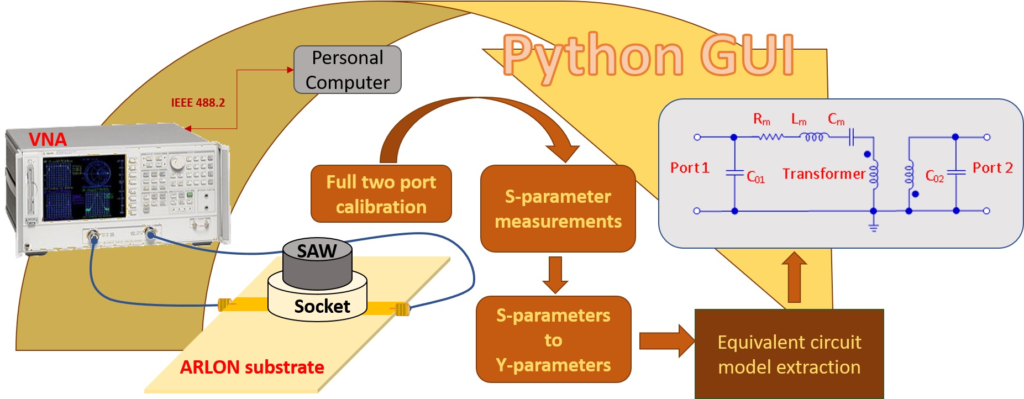
The activity carried out at University of Messina by a research group head by Prof. Nicola Donato (Res4Net member), in collaboration with the University of Niš (Serbia), is focused on the electrical characterization of a commercial SAW resonator over the temperature range between 20 K and 373 K. An equivalent-circuit model is extracted and validated in the entire range of the investigated temperature and the major scientific results have been published in IEEE Sensors Journal and MDPI Micromachines Journal in March 2021 and in MDPI Sensors Journal in April 2022.

The developed study, based on coupling an extensive temperature-dependent experimental characterization with equivalent-circuit modeling, enable one to analyze in detail the SAW performance over the selected temperature range and to verify the accuracy and robustness of the modeling procedure, from low- to high-temperature conditions. In the latest contribution, the extraction procedure has been improved for a more accurate determination of the model parameters (i.e., the values of the equivalent-circuit elements). This improvement has been accomplished by using a complex Lorentzian function to fit both real and imaginary parts of the short-circuit input and output admittances (i.e., Y11 and Y22) of the SAW under test, thereby allowing an improvement in the determination of the resonant parameters, which are used for the extraction of the equivalent-circuit elements. The extraction software has been developed in Python and is described here.

The developed modeling procedure will be useful for the in-depth characterization and modeling of SAW gas sensors.


News

Tokamak Energy Ltd chooses the UNITUS school of Engineering…

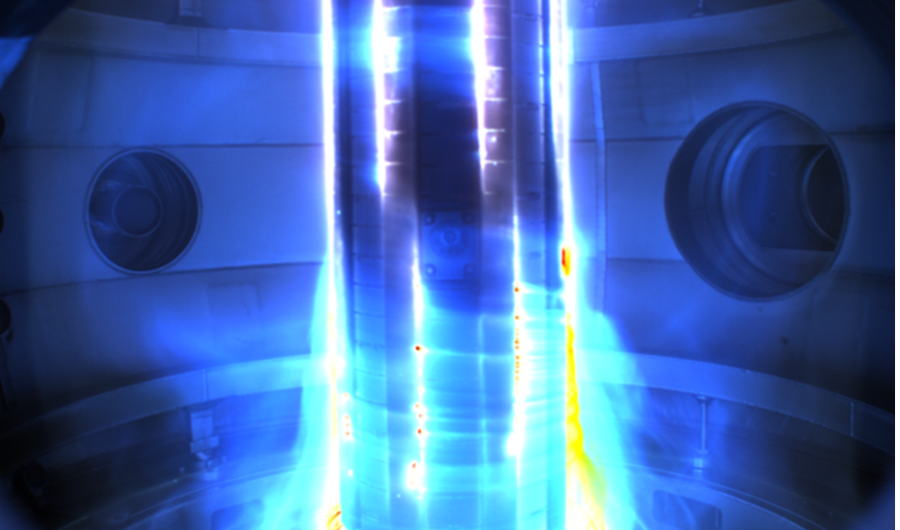
An important collaboration between the UNITUS school of engineering and Tokamak Energy Ltd (TE) was set. TE is a privately funded company based in the UK [1]. Founded in 2009, the company is developing compact fusion power plants based on two promising technologies: Spherical Tokamaks (STs) and High Temperature Superconductors (HTSs). As regards STs, they are a particular type of tokamak with a higher aspect ratio than that of conventional tokamaks. The ST concept demonstrates all the main features of more compact tokamaks having the real potential to significatively reduce costs and timescales on the path to Fusion power, at the same time. As for HTSs, this technology allows significant increase in the toroidal magnetic field, which it was found to improve the plasma confinement in STs. In addition, HTS magnets can operate at relative high temperatures (conventional superconductors are cooled to  4 K, while an HTS usually operates at  80 K), which is beneficial in the design of these components where space is very limited in the central zone of a ST device. The combination of the efficiency of STs and the benefits of the HTSs opens a route to lower-volume fusion reactors [1]. In summary, the mission of Tokamak Energy is to exploit this opportunity by pioneering the use of spherical tokamaks in conjunction with HTS magnets technology. Tokamak Energy Ltd is presently operating ST40 [1][2]. ST40 is a new generation high magnetic field ST and results as the highest magnetic field device of its kind (capable of reaching values above 2 Tesla). It aimes at demonstrating burning plasma condition parameters for a ST device. In the recent years, ST40 has been upgraded with the aim to reach higher plasma performances and to prepare the machine for the ongoing experimental campaign started in May 2021 [2].

In this context, a new record was recently achieved within a ST40 experiment of March 2022: Tokamak Energy has demonstrated a world-first with its privately funded ST40 spherical tokamak, achieving a plasma temperature of 100 million degrees Celsius, the threshold required for commercial fusion energy [1]. This is by far the highest temperature ever achieved in a ST and by any privately funded tokamak. In this video (Moving closer to commercial fusion-YouTube link), published by Tokamak Energy website, is presented the announcement of the record. The result was obtained also thanks to the analyses commissioned to the UNITUS team by TE as one of several studies to prepare ST40 for the experimental operations [2], in which this incredible performance has been reached.

As a matter of facts, within the ST40 upgrade, the necessity to analyse in detail the electromagnetic behaviour of the main device components under the loads coming from some plasma abnormal events, namely disruptions [3], has recently emerged in order to verify the ST40 design or drive further modifications. In this context, several studies to analyse the ElectroMagnetic (EM) response of ST40 components during a plasma non ordinary scenario have been carried out by UNITUS by means of a specific coupling tool procedure, following a recently developed methodology fully described in [3]. The main output of these studies is the evaluation of the EM force density evolution that affect ST40 components during a plasma disruption for subsequent mechanical assessments. In addition, the UNITUS team is engaging in the study of innovative materials, such as liquid metals or tungsten foams for the design of plasma facing components to be implemented in ST40. Finally, to support the ST40 Tokamak operations, causes and effects associated with disruptions are under investigation by the UNITUS team. In this regard, the focus is on the population of a disruptions database aimed at characterizing off-normal plasma scenarios and at providing lessons to be learnt for the next ST40 experimental campaign and for the design of future ST devices.

As for TE future steps, the ST40 device will now undergo a new upgrade and be used to develop technologies for future devices. The ST-HTS (or Intermediate Device), which will be the world’s first spherical tokamak to demonstrate the full potential of HTS magnets, is due to be commissioned in the mid-2020s. This device will demonstrate multiple advanced technologies required for fusion energy and inform the design of a world first fusion pilot plant, namely ST-E1, to be commissioned in the early 2030s [1]. Each of these future steps set out in the Tokamak Energy roadmap on its path to commercial fusion power will directly involve the UNITUS school of engineering thanks to the scientific collaboration signed between the two institutions.

[1]       https://www.tokamakenergy.co.uk

[2]       “M. Romanelli et al. “Preparing for first diverted plasma operation in the ST40 high-field spherical tokamak.”, 47th EPS Conference on Plasma Physics (June 2021), P3.1058.”

[3]       R. Lombroni, F. Giorgetti, G. Calabrò, P. Fanelli, and G. Ramogida, “Using MAXFEA code in combination with ANSYS APDL for the simulation of plasma disruption events on EU DEMO.”, Fusion Eng. Des., no. March, p. 112697, 2021.

News

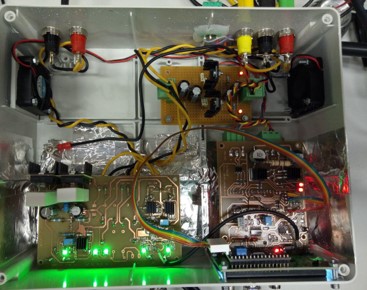
An Adaptive Measurement System for the Simultaneous Evaluation of…

In-liquid measurements with quartz-based sensors are used in many different application fields, among which are chemical sensing, biosensing and viscosity measurements [1,2,3,4].
Sensing systems based on quartzes exploit their electromechanical resonant behavior: their piezoelectric properties provide a transduction of mechanical quantities into electrical quantities, whereas the pure elastic behavior of the quartz, which is an almost ideal resonator, is extremely sensitive to the changes of mechanical properties (mass, stiffness and damping). These particular properties have been exploited to obtain many different sensors: the most traditional ones are Quartz Crystal Microbalances (QCM), operating as mass sensors with resolutions down to a few nanograms [5,6,7,8], although, if used in liquid environments, it is possible to employ resonant measurement systems to characterize liquid viscosity and density. In this contest, the use of resonant structures is widely diffused and spread in different applications. Just to mention a couple, García-Arribas et al. developed a magnetoelastic sensor to sensitively measure the viscosity of fluids, aimed at developing an online and real-time monitoring of the lubricant oil degradation in machinery [9], and Zang et al. used a self-oscillating tuning fork device to perform fast measurements of viscosity and density, with the aim of characterizing different phases of liquids in a multiphase flow [10]. Moreover, in several applications, the research interest is focused on the realization of distributed sensor networks using sensor fusion techniques [11,12,13].
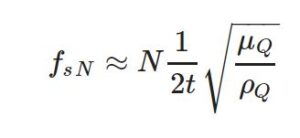
The basic structure of a quartz-based chemical or biosensor is the QCM, which is usually an AT-cut quartz disk operating in the MHz range provided by two electrodes on the two opposite surfaces. When the quartz vibrates in air, it is possible to assume no damping, and the modal frequencies of the device are set by the disk thickness [14]. In particular, it can be written [15]:
where fsN represents the N-th modal frequency, N and N odd and t is the thickness of the quartz, whereas ρQ and μQ are the quartz density and shear modulus.
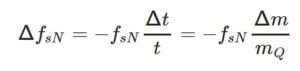
A mass sensor is obtained by functionalizing one of the quartz surfaces with a material providing the selective adsorption of a target species. If, due to functionalization and to adsorption, a small additional mass (Δm) is deposited on one of the quartz surfaces, by assuming that the mechanical properties of the added layer are the same as those of the quartz, then the effect changes the resonator thickness and, accordingly, shifts the modal frequencies of a quantity (ΔfsN) related to the added mass:
where mQ is the quartz mass, and the linear relation stems from the assumption of small thickness variations. Notice that Equation (2), written in a different form, is also known as the Sauerbrey equation [16].
By means of the piezoelectric effect, the mechanical vibrations are converted into an electrical charge or voltage signal. Therefore, a QCM is, in principle, a linear mass sensor providing the frequency as an output quantity. A typical 10-MHz AT-cut QCM provides, theoretically, a response of Δfs1(Hz)=0.8 Δm (ng) [17].
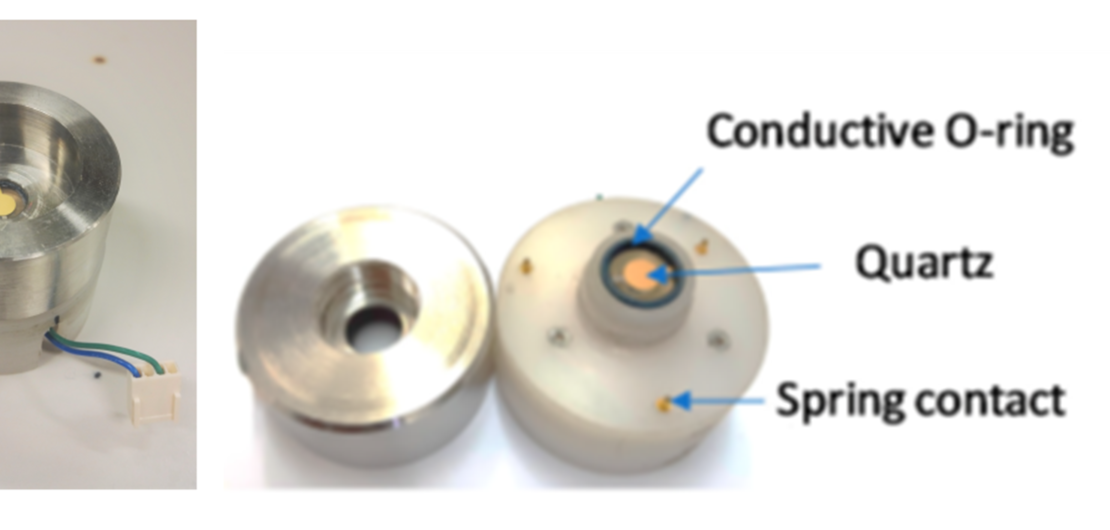
A complete sensing system can be obtained by inserting the quartz into an electronic circuit providing the frequency metering [1].
Indeed, the measurement problem is far more complex [1,18]. First of all, the electromechanical vibrations can shift frequency not only due to the added mass (desired effect) but, also, due to the unwanted mechanical damping caused by the added layer, which has usually different and worse mechanical properties with respect to the quartz, especially in biosensors, where it consists of a lossy viscoelastic functionalization film and of the adsorbed target species (biological targets). Moreover, and more importantly, differently from AT-cut quartz oscillating in the air, where the surrounding medium can be well-described as an ideal fluid, and the standing elastic wave causing the vibration is confined in the solid disk, for in-liquid sensors, the surrounding medium is better described by a Newtonian fluid. In this case, part of the shear vibration can be transferred to the liquid and part of the elastic energy dissipated. The interaction with the fluid is, in this case, a non-negligible mechanical load (with both dissipative and conservative characteristics) that causes very large frequency shifts (up to hundreds of ppms). Due to this fact, some sensing systems exploit the dependency of the modal frequency of the quartz on the characteristics of the surrounding fluid to obtain viscosity measurements [14,19,20].
As a consequence, QCM-based measurement systems operating in liquid often couple the modal frequency shift assessment with the evaluation of the viscoelastic characteristics of the added layer through the monitoring of other dynamic parameters, such as the dissipation coefficient δ or, equivalently, the Q-factor [21,22]. This could unravel the inertial and dissipative behaviour of the ad-layer and enable distinguishing between the added mass and the surrounding liquid effects.
To continue with the issues related to the QCM-based measurements, it must be underlined that the way in which the vibrations are generated and measured can influence their frequency, which can be different from the searched modal frequency: for instance, the front-end circuit loads and influences the electromechanical resonance [1].
In a typical QCM system, the quartz is embedded in the feedback network of an oscillator circuit, and its output frequency is measured by, e.g., a digital frequency meter. QCM systems with dissipation monitoring (D-QCM) also provide a measurement of the dissipation factor δ (equivalent to the Q-factor) by inducing transients, e.g., disconnecting the feedback loop [23] and evaluating the transient decay duration. This allows for assessing the damping coefficient of the resonant electromechanical system.
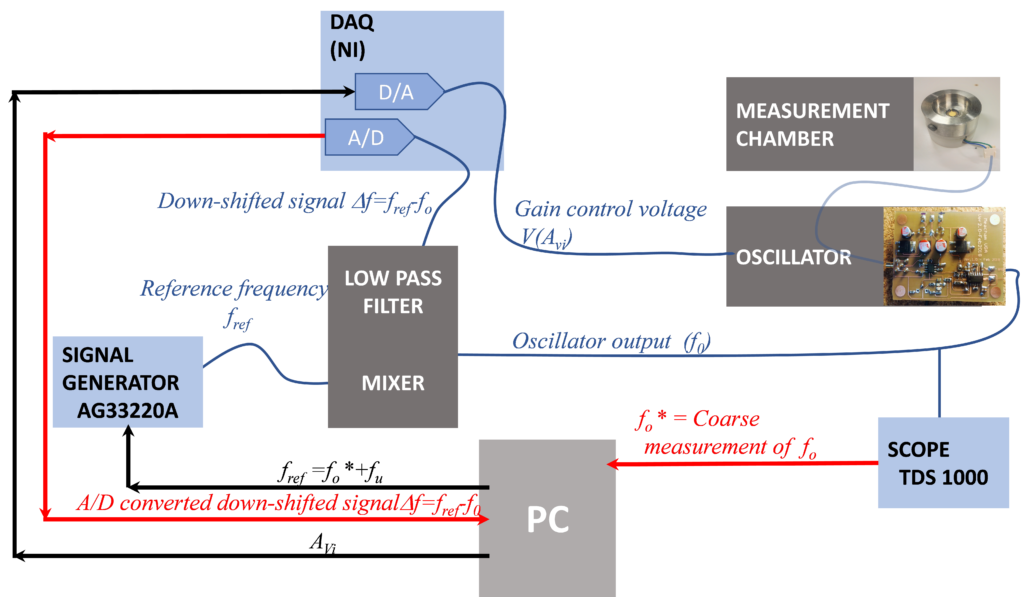
In this paper, the problems related to measurements based on QCM in in-liquid applications are summarized, and a novel system based on a Meacham oscillator embedding an amplifier with adjustable gain is proposed. An automatic strategy is described that allows for gain tuning and maintaining the oscillator frequency close to the modal resonance of the quartz. From the adjusted gain value, an estimation of the series electromechanical resistance can be obtained, providing also the monitoring of the dissipative behavior of the electromechanical system through a robust estimation technique.
This paper is organized as follows: in Section 2, the operation of quartzes in liquid is presented, and the main measurement problems are discussed. In Section 3, the proposed oscillator topology, the series resistance estimation technique and the gain adjustment strategy are described. In Section 4, a prototype system, used to verify the proposed solution, is described, whereas Section 5 shows and discusses the experimental results. The conclusions are drawn in Section 6.